
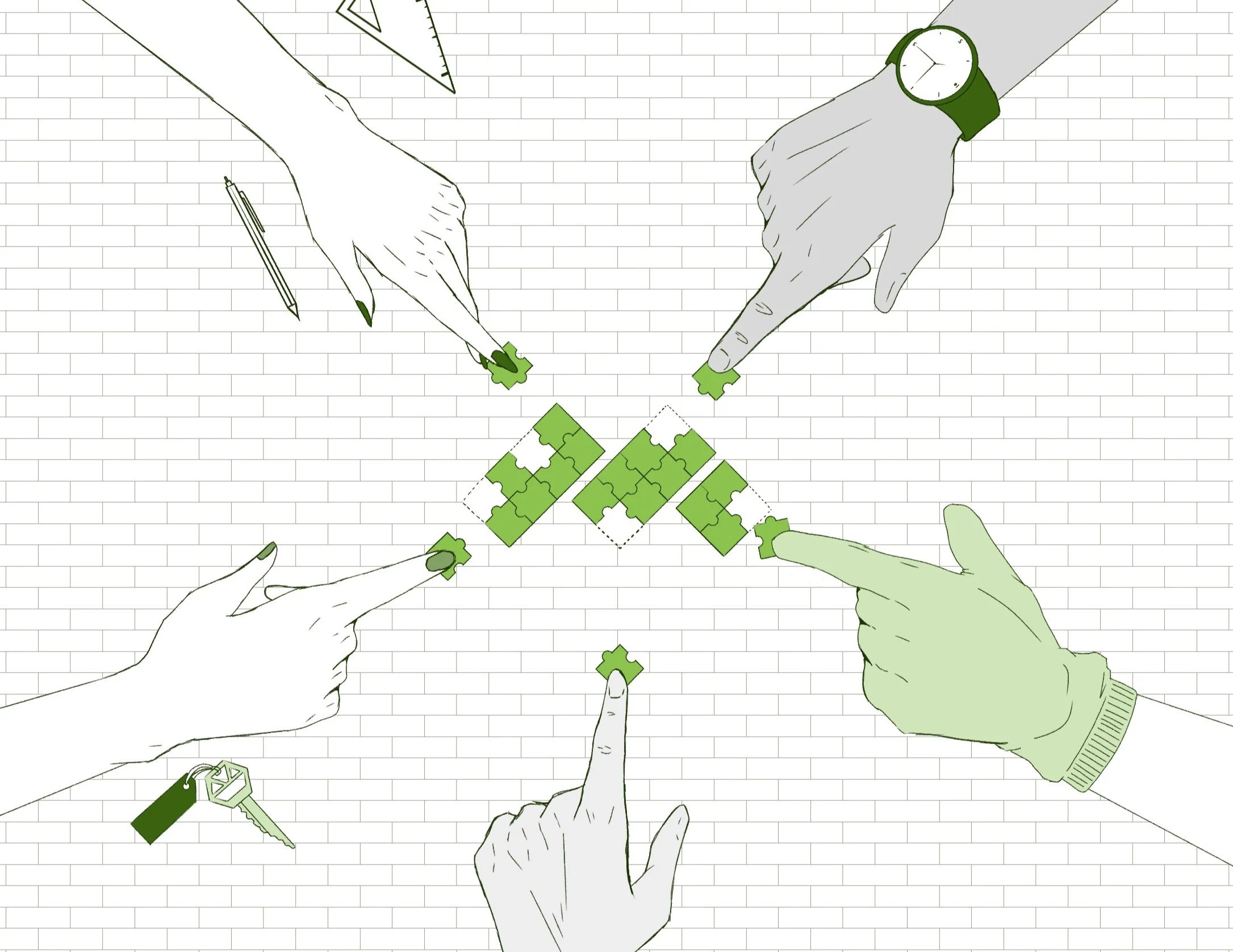
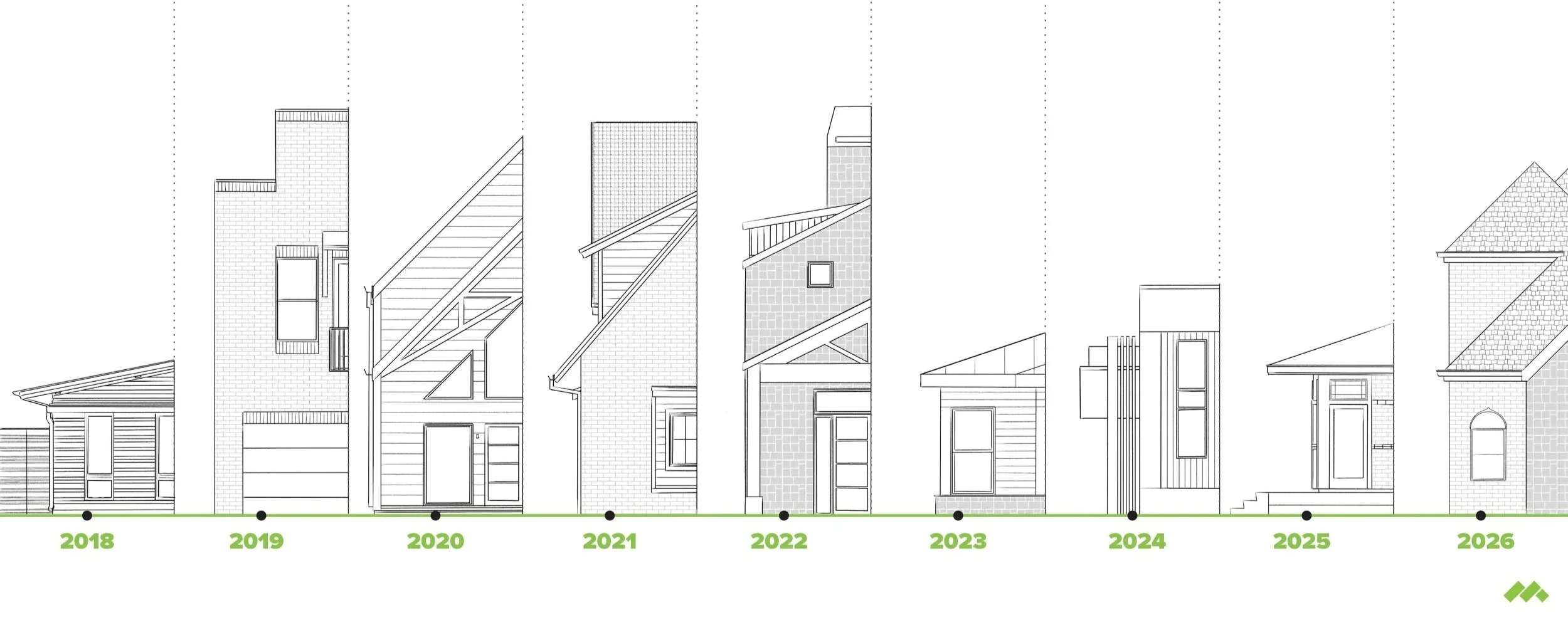
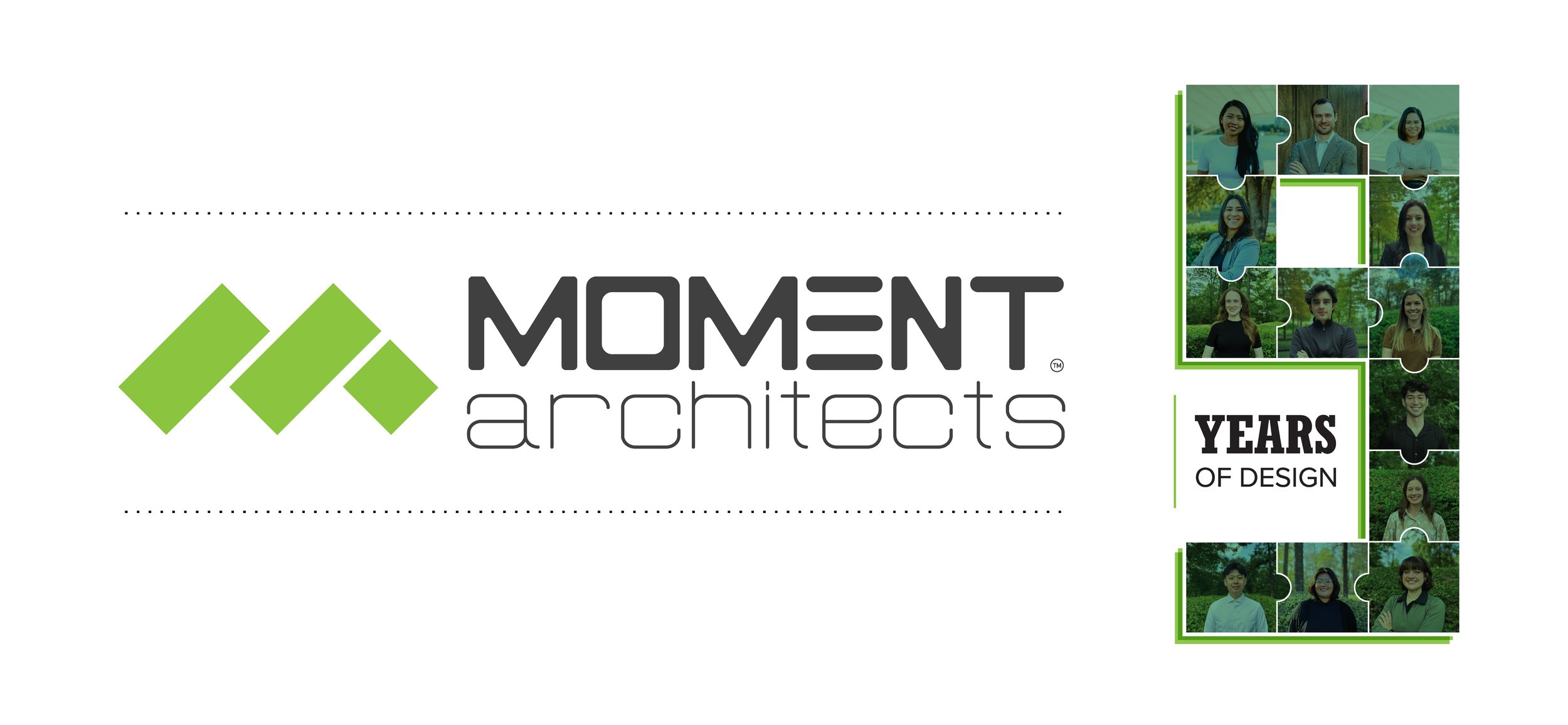
Nine Years. Still Building.
A reflection on the relationships, purpose, and people that have shaped Moment Architects.
Blog /Architecture Starts Before Building Begins
By: Matthew Giardina, Principal Architect
Nine years ago, Moment Architects was just me.
Well... me and a home office, which sounds more official than it actually felt.
Like most firms, we didn't start with a large team or an impressive portfolio. What we did have was a clear purpose. When Moe Moe and I decided to start Moment Architects, we wanted to build a firm that reflected what we believed architecture should be, a profession centered on serving people. More specifically, we wanted the opportunity to choose projects that would have a lasting impact on the communities they serve.
From the beginning, we've been passionate about faith-based architecture, particularly churches and private schools. Over the past nine years, we've been fortunate to work alongside incredible clients on projects that support education, ministry, and community, and we're excited to continue growing in that direction.
It's Always Been About People
When I look back on the early years of Moment Architects, I don't immediately think about buildings. I think about relationships.
The homeowners who trusted us with their homes. The pastors who invited us into their vision for their churches. The contractors, developers, consultants, and clients who gave a young firm an opportunity before we had much of a track record.
Those relationships didn't happen overnight. They were built one conversation, one meeting, and one project at a time. Looking back, I'm incredibly grateful for the people who believed in us and helped shape the firm we are today.

Architecture Is a Service
One of the principles we've tried to hold onto from day one is that architecture is ultimately a service profession.
The buildings we design aren't for us, they're for the people who will use them every day. That's something we remind our team often. Every decision we make should be guided by what's in our client's best interest. Sometimes that aligns perfectly with our own design preferences, and sometimes it doesn't. Either way, our responsibility is the same: to listen well, serve well, and create spaces that accomplish our clients' goals.
That mindset has shaped every project we've had the privilege to work on over the past nine years.
Growing Together
For the first three years, I was the only employee, which naturally limited the size and complexity of the projects we could take on. As our team has grown, so has our ability to tackle larger and more challenging work.
Growth hasn't just meant adding people, it has meant learning. We've expanded our services, gained experience with new project types, and continually refined how we operate as a business. Some lessons came through careful planning. Others came from experience. (As it turns out, experience is a very effective teacher.)
But the greatest part of that growth has been watching our team develop.
One of my favorite parts of leading Moment Architects is seeing people take ownership of projects, build relationships with clients, and contribute ideas that make every design stronger. We intentionally encourage everyone on our team to leave their fingerprints on the work we do, and it's inspiring to see what they're capable of accomplishing together.
Our Mission
Moment Architects is founded on a mission statement that defines our “why”. It is the reason for our existence as a firm. That mission statement is “We exist so that we might have the opportunity to use our God-given talents to the best of our ability, for the good of others, and to glorify God.” We recognize that we are good at what we do, and therefore we have a responsibility to be the best we can be. Not for ourselves, but for those we serve. And not so that we can receive praise and admiration, but so that we can give that praise to God, who gave us our strengths in the first place.
I wrote this mission statement for our firm, but as I’ve reflected on it over the years, I’ve come to believe that it can be applied much more broadly than that. I believe it can apply to each of our personal lives. The reason we exist at all on this earth, the reason God created you and me, could very well be so that we might have the opportunity to use our God-given gifts to the best of our abilities, for the good of others, and to glorify God.
If we look closely at the lives of the great saints throughout history, this is exactly what they did, and how they lived. And in the words of the novelist Leon Bloy, “The only real sadness, the only real failure, the only great tragedy in life, is not to become a saint.” (La Femme Pauvre)
A Project That Reflects Our Mission
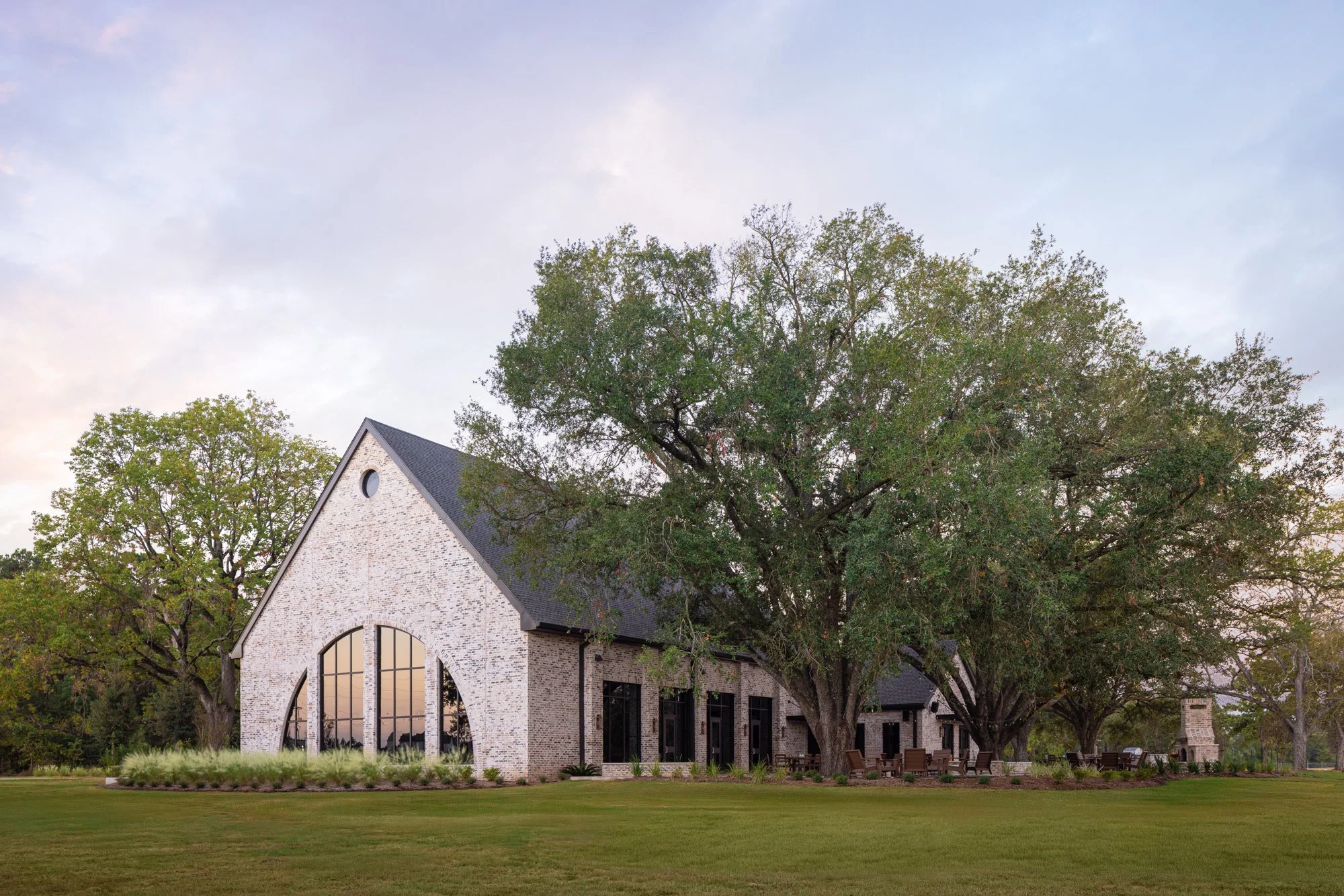
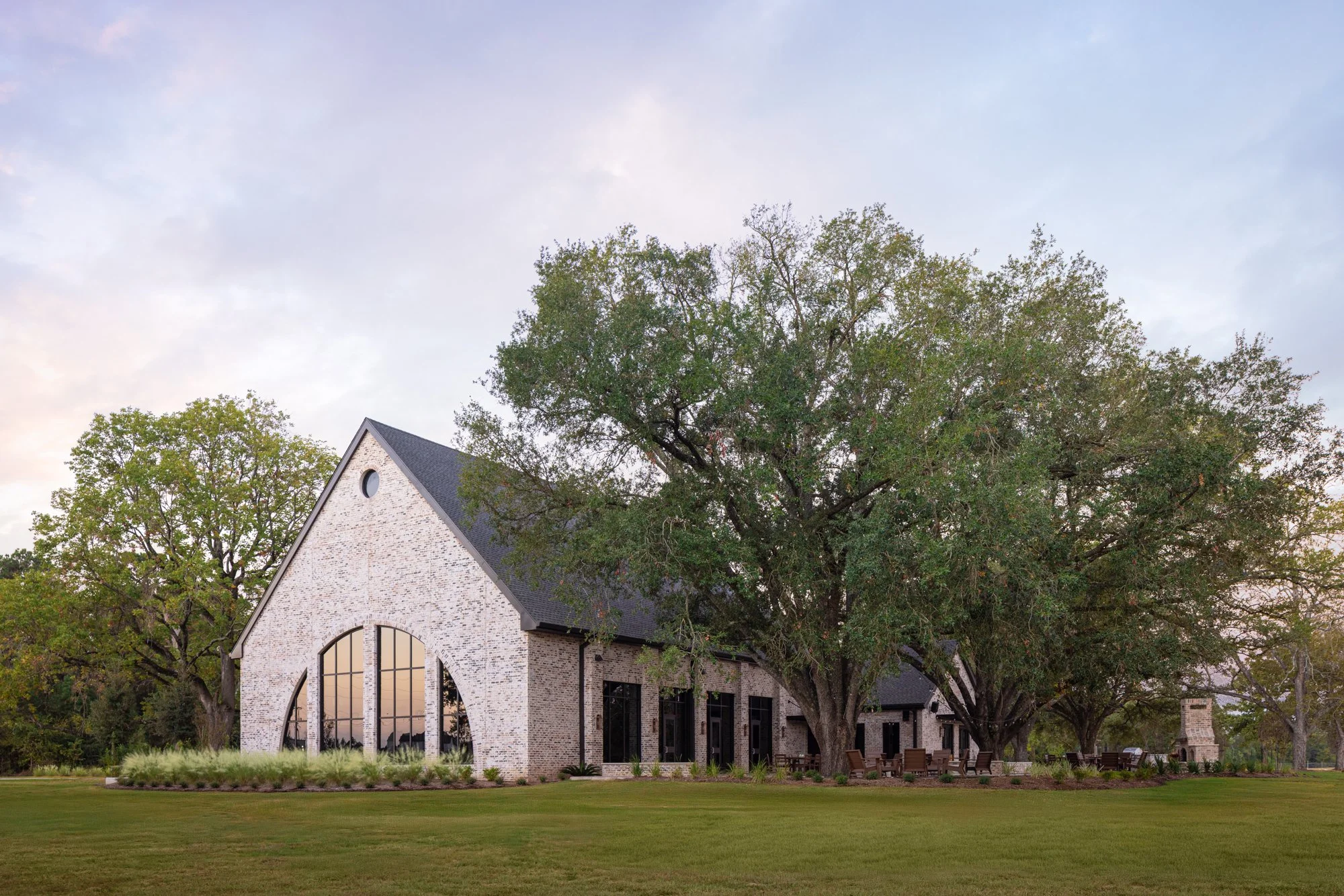
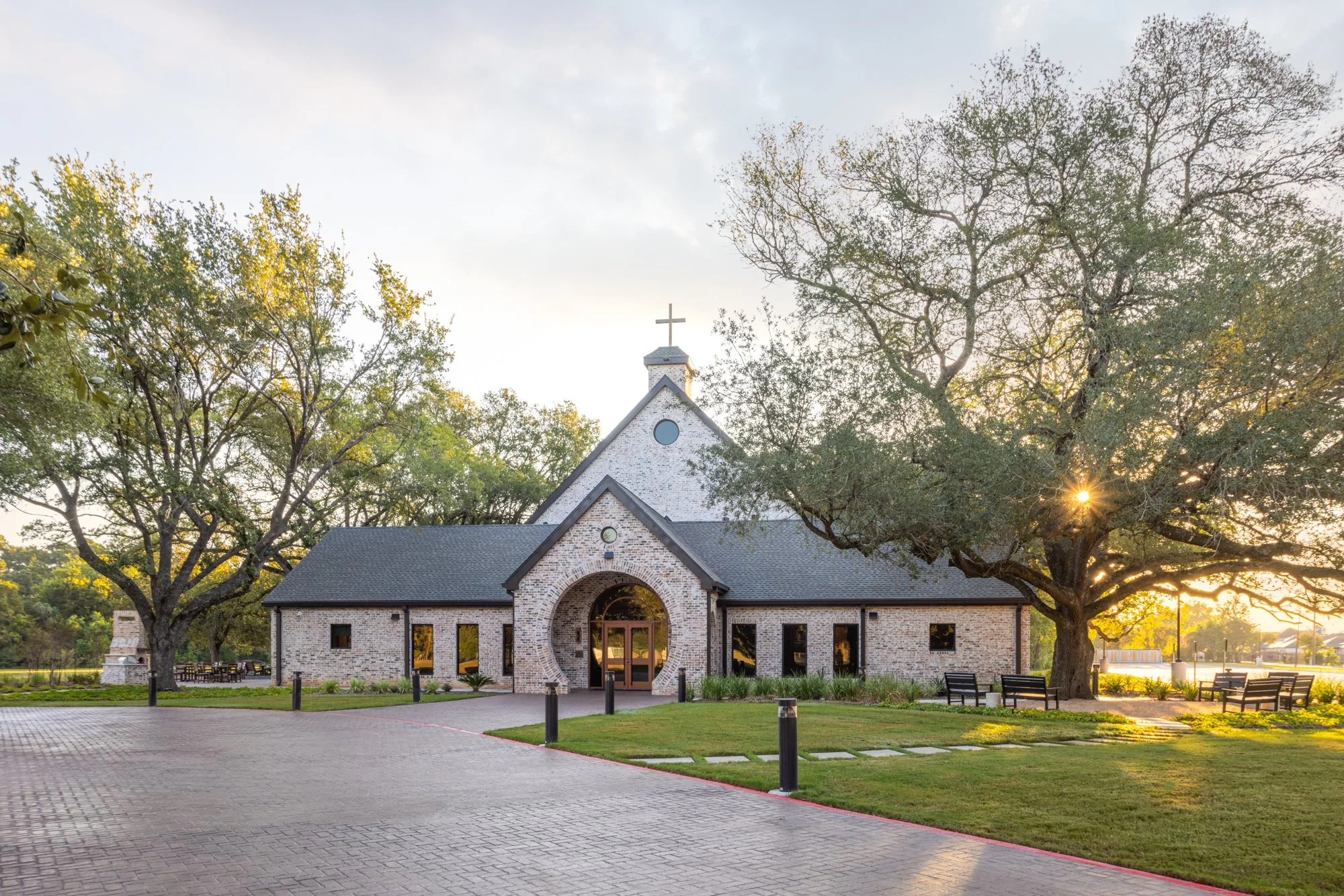
When I think about a project that captures what Moment Architects is all about, I immediately think of TheMission Church.
What began as a renovation of an existing home into a temporary chapel gradually grew into the master plan for an entire campus. Today, that vision includes a permanent chapel, an early childhood center, a gymnasium, a K–8 school, a future high school, and a future sanctuary.
Watching that vision unfold has been incredibly rewarding because we know those buildings will serve children, families, and the surrounding community for generations, and will ultimately play a pivotal role in building God’s kingdom. Knowing we had the opportunity to play even a small part in that story is something I'll always be grateful for.
Looking Ahead
When I think about the future of Moment Architects, I'm excited.
Looking back over even the last couple of years, it's incredible to see how much progress we've made. It also makes me excited about where we'll be five years from now. I believe our team will continue to grow, our expertise will continue to deepen, and most importantly, our ability to serve our clients and communities will continue to improve.
The biggest difference between Moment Architects today and nine years ago isn't our portfolio, it's our people.
Nine years ago, it was just me in a home office. Today, it's a team of talented people who genuinely enjoy working together, solving problems together, and serving our clients together. That's something I'm incredibly thankful for, and it's what makes me most optimistic about the future.
Thank You
Anniversaries naturally encourage reflection, but they're also an opportunity to say thank you.
To every client, consultant, contractor, partner, and team member who has been part of this journey, thank you for trusting us with your projects and giving us the opportunity to use our God-given talents to serve your vision.
The first nine years have been inspiring, not because of the buildings we've designed, but because of the people we've had the privilege to work alongside. We look forward to continuing that journey together for many years to come!
Architecture Starts Before Building Begins
Why early collaboration, clear priorities, and planning drive successful projects.
Blog /Architecture Starts Before Building Begins
By: Moe Moe Giardina, Principal Architect
When people ask me when they should bring an architect into a commercial project, my answer is always the same: as early as possible.
One of the biggest advantages of involving an architect early is that we can help evaluate opportunities before significant decisions are made. Sometimes a client is considering a piece of land but isn't completely sure what can be built there. In those situations, we can conduct feasibility studies to determine whether the site is appropriate for their intended development and identify potential challenges before they become costly surprises.
Other times, clients come to us with a clear vision already in mind. Even then, early collaboration is essential to ensure the site, building program, and project goals align before significant time and money are invested.
Building a Strong Foundation
Every successful commercial project starts with gathering the right information.
One of the first conversations we have is about budget. While architects are not cost estimators, we understand construction costs well enough to help establish realistic expectations and guide early decisions. I also strongly encourage clients to involve a general contractor as early as possible. When design and pricing happen simultaneously, projects benefit from real-time cost feedback and fewer surprises later.
Site information is equally important. Surveys, title reports, geotechnical studies, and permitting requirements help the team make informed decisions and avoid costly redesigns.
Discovering What Matters Most
Not every client walks into our office with a detailed project vision, and that's perfectly okay.
In my experience, every client already has goals, they just may not have fully articulated them yet. Through discovery meetings and visioning sessions, we work together to uncover what matters most. Sometimes the priority is financial performance. Other times it's community impact, organizational growth, employee experience, or creating a legacy.
We also help clients navigate competing priorities, balancing aspirations with practical realities so thoughtful decisions can be made throughout the design process.
Our role is not simply to design buildings, but to help clients create a clear vision and guide them toward achieving it.
Turning Vision into Architecture
One of the most rewarding aspects of architecture is translating an organization's mission and identity into a physical space.
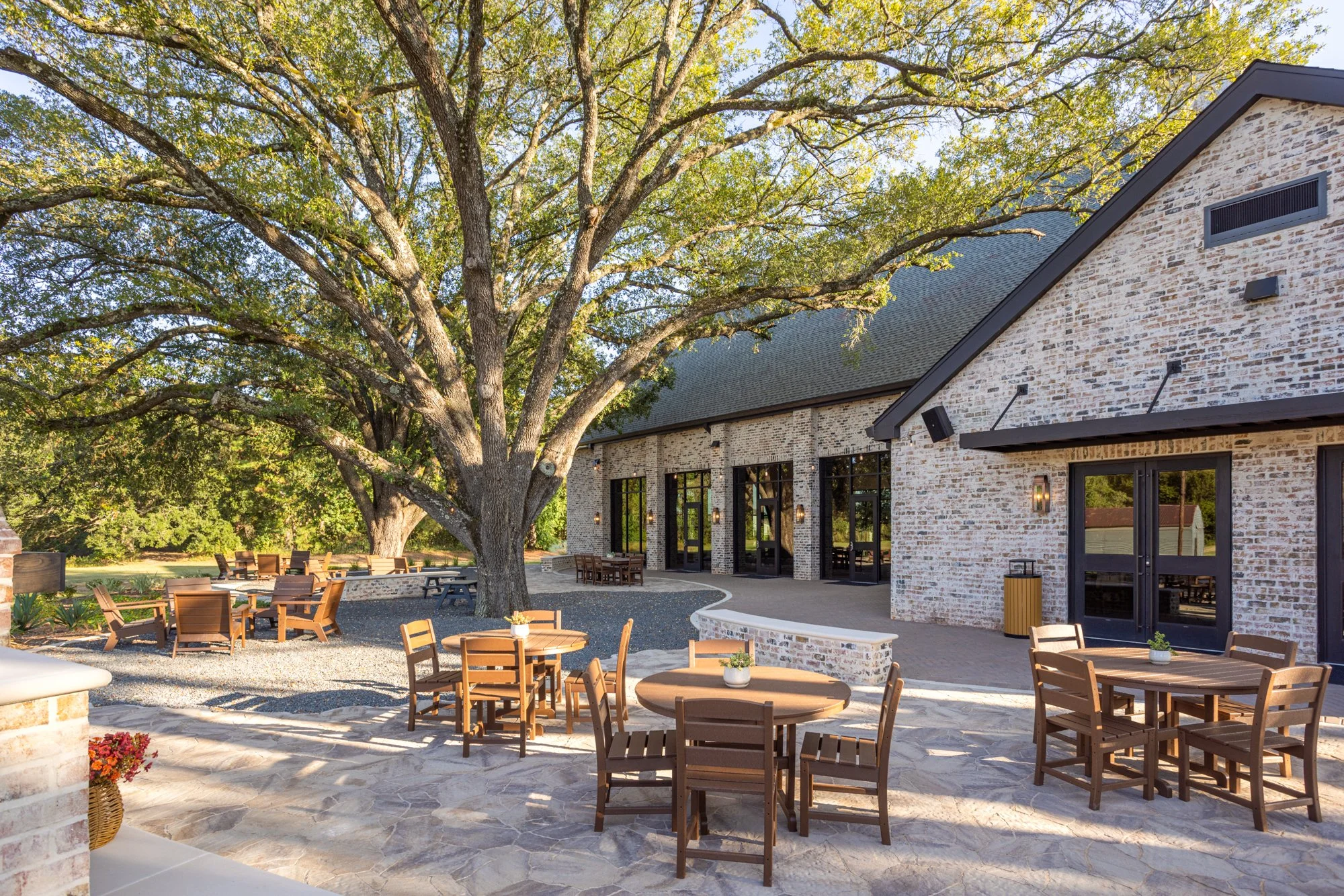
TheMission Church project serves as a great example. The congregation wanted people to feel an immediate sense of belonging. Rather than clearing the site's mature trees, we designed around them to preserve the character of the neighborhood and create a sense of rootedness from day one. The building form and gathering spaces were intentionally arranged to encourage fellowship and connection, reinforcing the church's mission through the built environment.
Another project involved developing a visioning package for a private Catholic school. The leadership team wanted Christ to remain at the center of both education and faith formation. We incorporated that mission throughout the design by giving the chapel architectural prominence, integrating cross motifs into the building forms, and creating a master plan that reflected the school's spiritual identity. Every decision translated the school's values into a campus that supports both learning and faith.
These projects demonstrate how architecture can go beyond function to become a physical expression of an organization's values and purpose.
Designing Experiences
Architecture profoundly influences how people experience a space. Materials, colors, lighting, textures, and spatial organization shape how people feel when they enter a building. As architects, we have a responsibility to shape those experiences intentionally, creating environments that support positive human interaction and help people thrive.
The most successful environments are those that respond to the people they serve. Every project type has unique goals, requiring a design approach tailored to the experiences it seeks to create, whether fostering productivity in a workplace, inspiring growth in a school, promoting healing in a healthcare facility, or encouraging connection in a community space. Design decisions, from spatial organization to material and color selection, are guided by these desired outcomes.
Color plays a particularly powerful role in shaping perception and behavior. A corporate office may rely on a restrained palette that supports focus and professionalism, while a school may incorporate more vibrant, uplifting colors that encourage creativity and engagement and support learning. By thoughtfully aligning design elements with each project's purpose, architects can create environments that not only function effectively but also enrich the daily experiences of the people who use them.
Balancing Beauty, function, and constructability
One of the greatest challenges, and rewards, of architecture is balancing beauty with functionality and technical execution.
Architecture exists at the intersection of art and science. Architects must understand building systems and constructability to transform creative ideas into buildings that are visually compelling, efficient, safe, and durable. Every design decision, from building systems and materials to construction details and user experience, contributes to the success of a project.
The most successful commercial projects achieve a seamless integration of design excellence and technical execution, creating memorable spaces that support organizational goals while enhancing the daily experience of everyone who uses them. When beauty, functionality, and constructability work together, architecture delivers lasting value for clients, occupants, and communities.
Starting with the Right Questions
Every commercial project is unique, but the most successful ones share a common characteristic: they begin with thoughtful planning and clear communication.
Bringing an architect into the conversation early allows clients to explore possibilities, establish priorities, and make informed decisions before significant resources are committed. Whether the goal is to create a workplace, a church, a school, or another type of commercial development, the strongest projects are built on a foundation of collaboration, vision, and intentional design.
When that foundation is in place, architecture becomes more than a building, it becomes a tool for supporting people, strengthening communities, bringing meaningful ideas to life, and having a enduring, positive impact on the built environment.
Seeing Design Through A Different Lens
A Graphic Designer Perspective:
on Architecture, Creativity, and Collaboration.
Blog /Seeing Design Through A Different Lens
By: Violet Sandoval
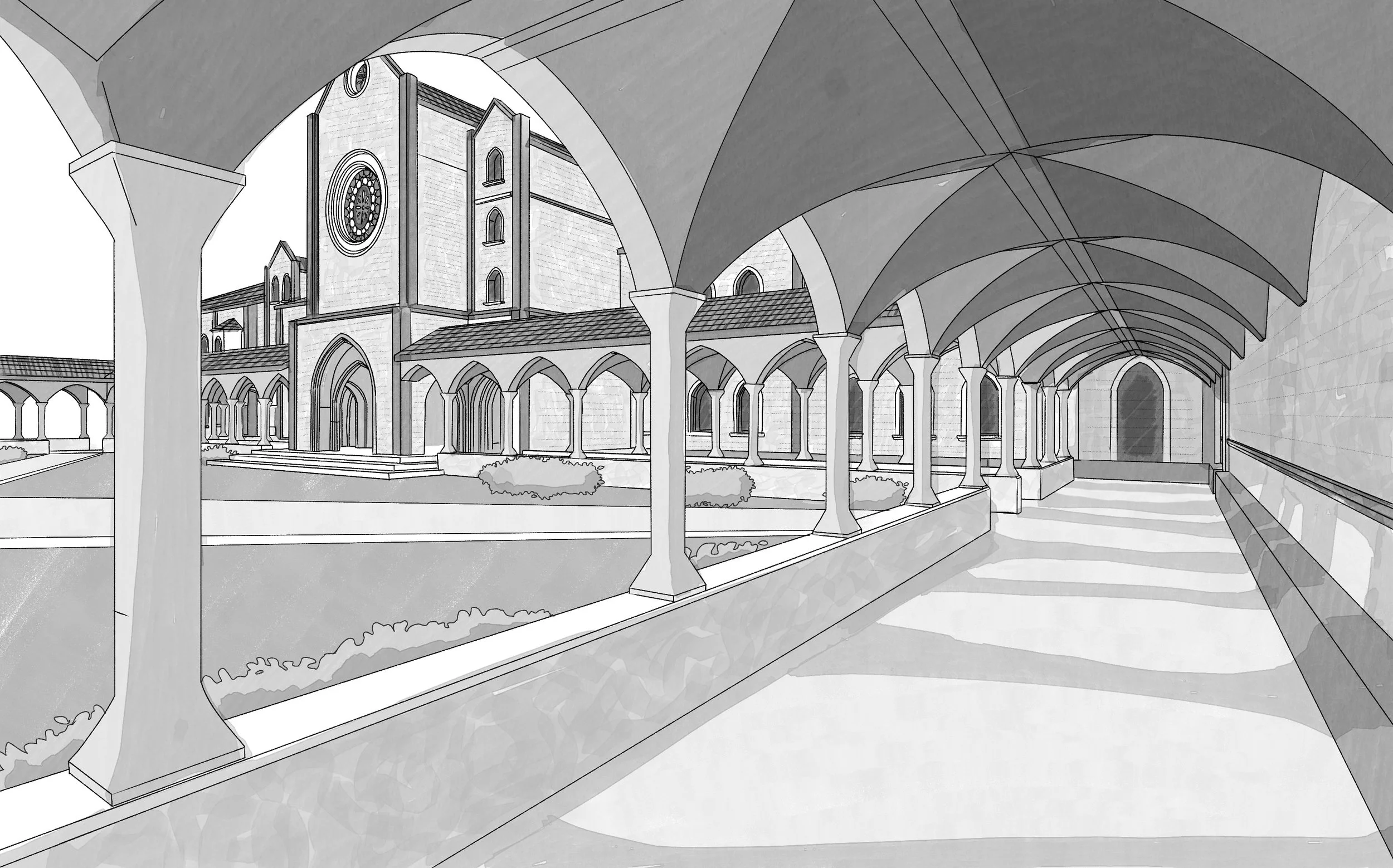
When I first started working at Moment Architects as a graphic design intern, I honestly didn’t know what to expect from the architecture industry. Coming from a graphic design background, my goal has always been to create media that impacts people and help people through design. What I quickly realized is that architecture shares that same purpose — creating something meaningful that people will experience and connect with for years to come.
Creativity with Intention
Before starting here, I assumed architecture would feel very rigid and technical because of how precise everything has to be. Instead, I found an environment full of creativity, collaboration, and intentional thinking. While architecture is incredibly detail-oriented, I learned that every creative decision has a purpose behind it.
Working alongside architects has changed the way I think about design. In graphic design, there is often more room for experimentation, but in architecture, even small details can impact the entire project. That level of intentionality has pushed me to think more carefully and creatively in my own work.
Discovering the Power of Collaboration
One of the biggest surprises for me was how many people are involved in bringing a project to life. From architects and consultants to contractors and permitting teams, every project relies on collaboration. Watching everyone work together to turn an idea into a finished space has been one of the most inspiring parts of the experience.
I’ve especially enjoyed supporting the marketing and website side of projects. Working on website layouts, project cover pages, and visuals taught me how important first impressions are. Often, the website is the first interaction someone has with a firm, so visuals play a huge role in communicating creativity, quality, and personality.
Architecture and Graphic Design Have More in Common Than you’d Expected
One thing that stood out to me right away was how similar architecture and graphic design actually are. Both rely heavily on composition, storytelling, and user experience. In graphic design, every element is placed intentionally to guide how someone interacts with a design. Architecture works the same way — every room, material, window, and layout decision serves a purpose.
This experience has completely changed the way I see design and even the way I notice spaces in everyday life. I now pay attention to materials, layouts, textures, and details I never would have noticed before. Most importantly, I’ve learned how thoughtful creativity and collaboration can shape the way people experience the world around them.
Dollhouse Workshop: Small Scale. Big impact.
small scale. big Impact.
A glimpse of the next generATION OF DESIGNERS
Blog /Dollhouse Workshop: Small Scale. Big Impact.
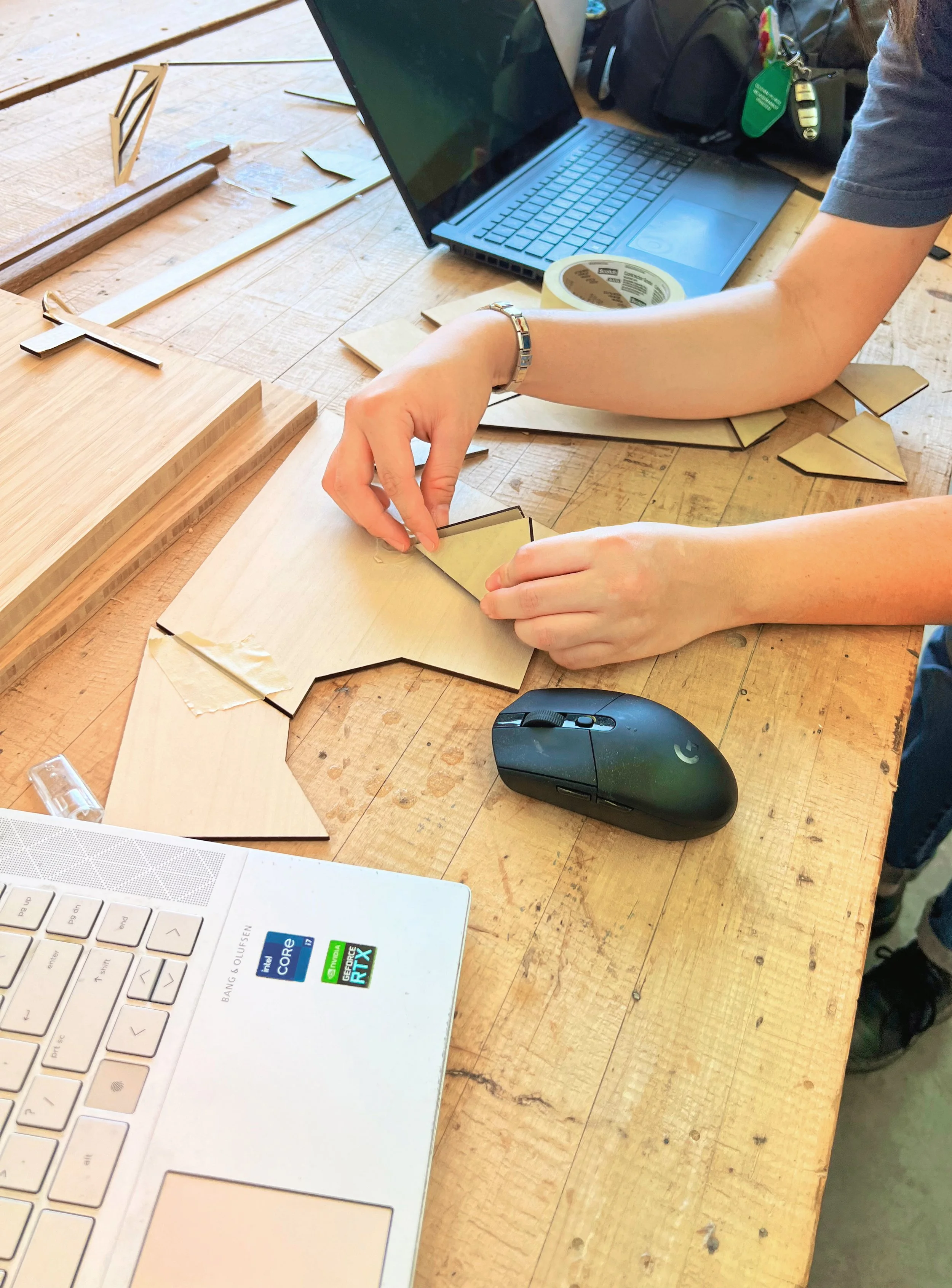
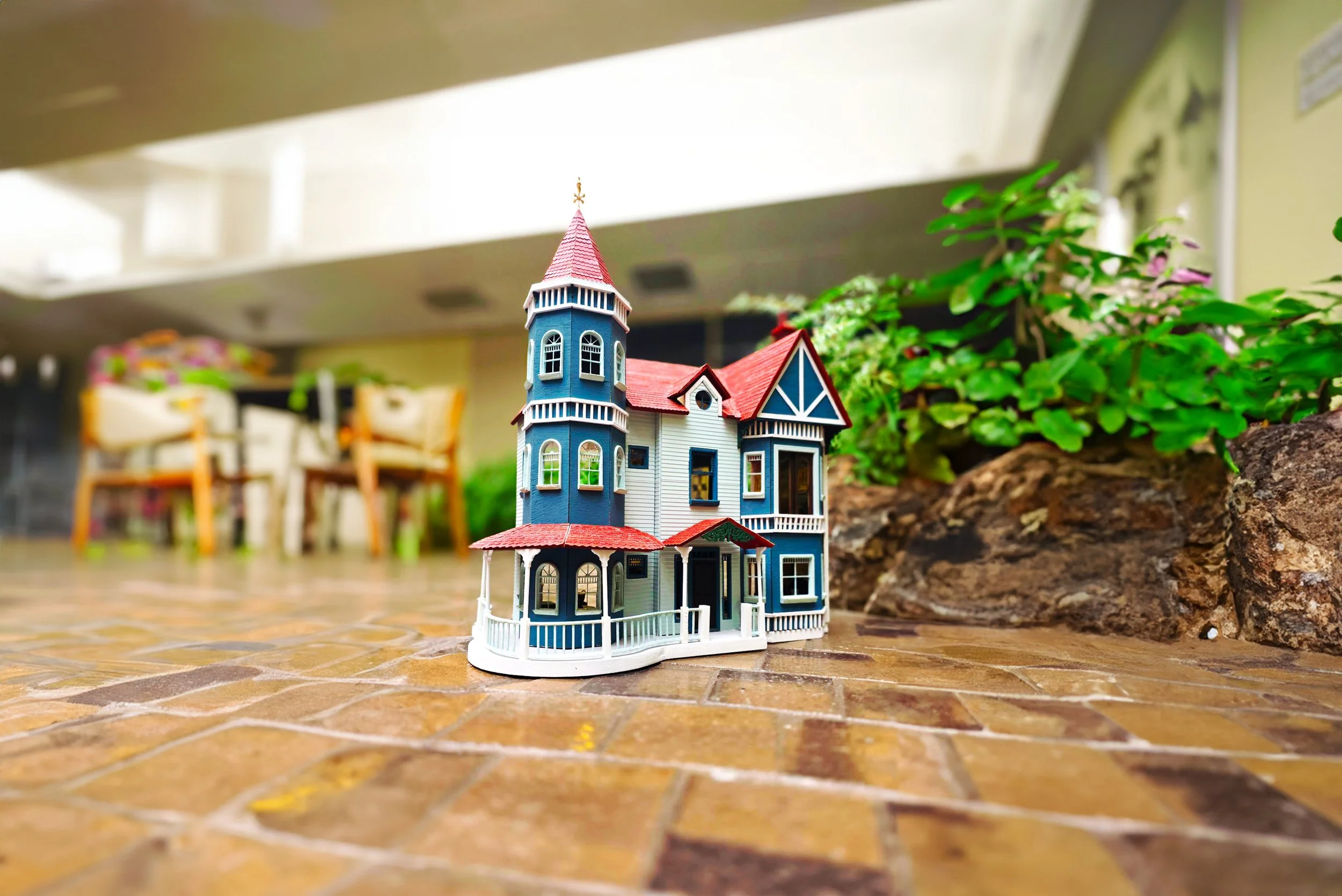
Last summer, we launched our Dollhouse Workshop, and it quickly became clear it was something special. What began as a focused, hands-on experience has grown into part of Studio Moment, our summer initiative rooted in mentorship and real-world architectural learning.
Through a selective portfolio and interview process, students were chosen to participate in an immersive design experience centered on concept development, spatial thinking, and fabrication.
The result is a fully custom architectural dollhouse, designed and built by students from the University of Houston College of Architecture and Design.
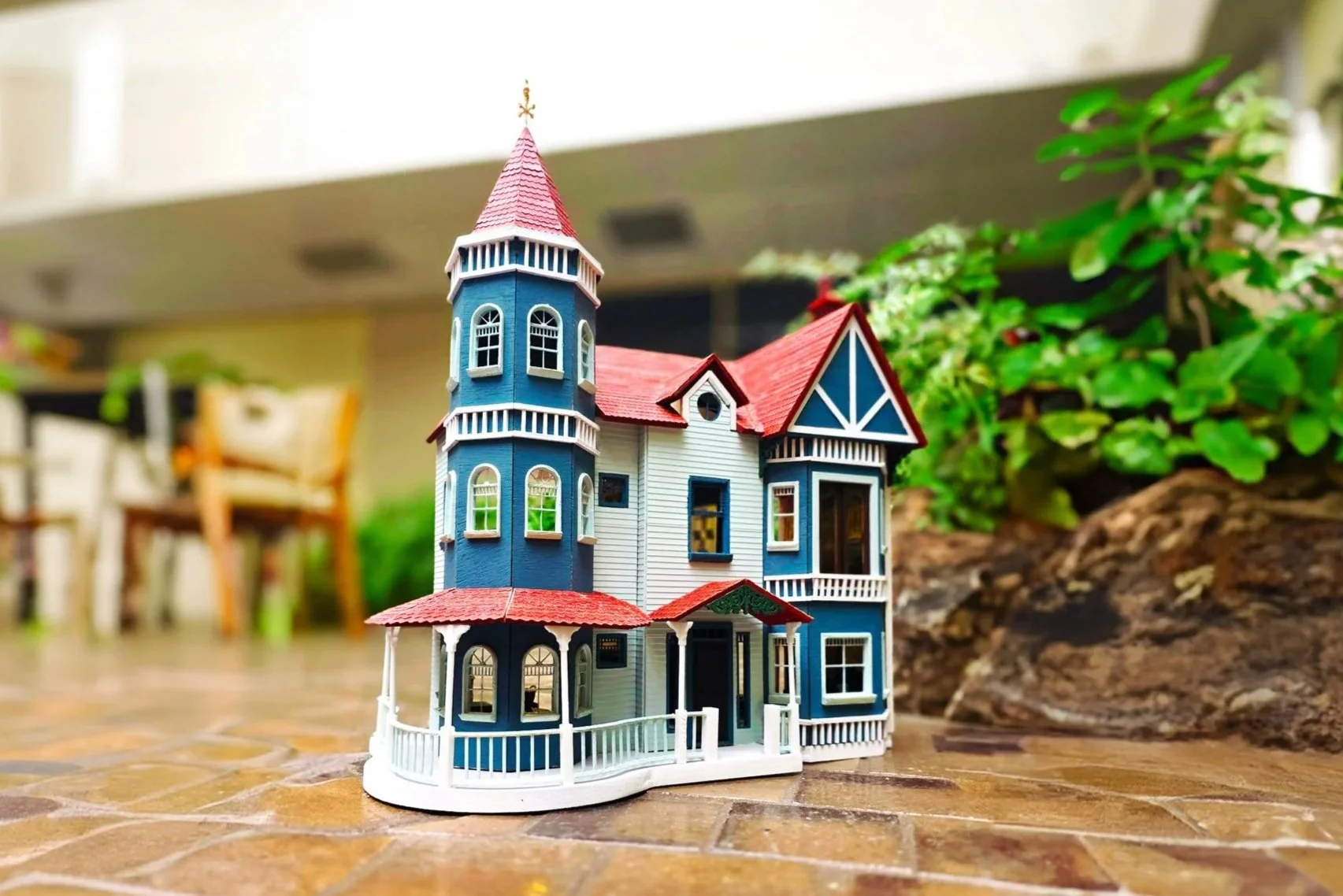
The outcome:
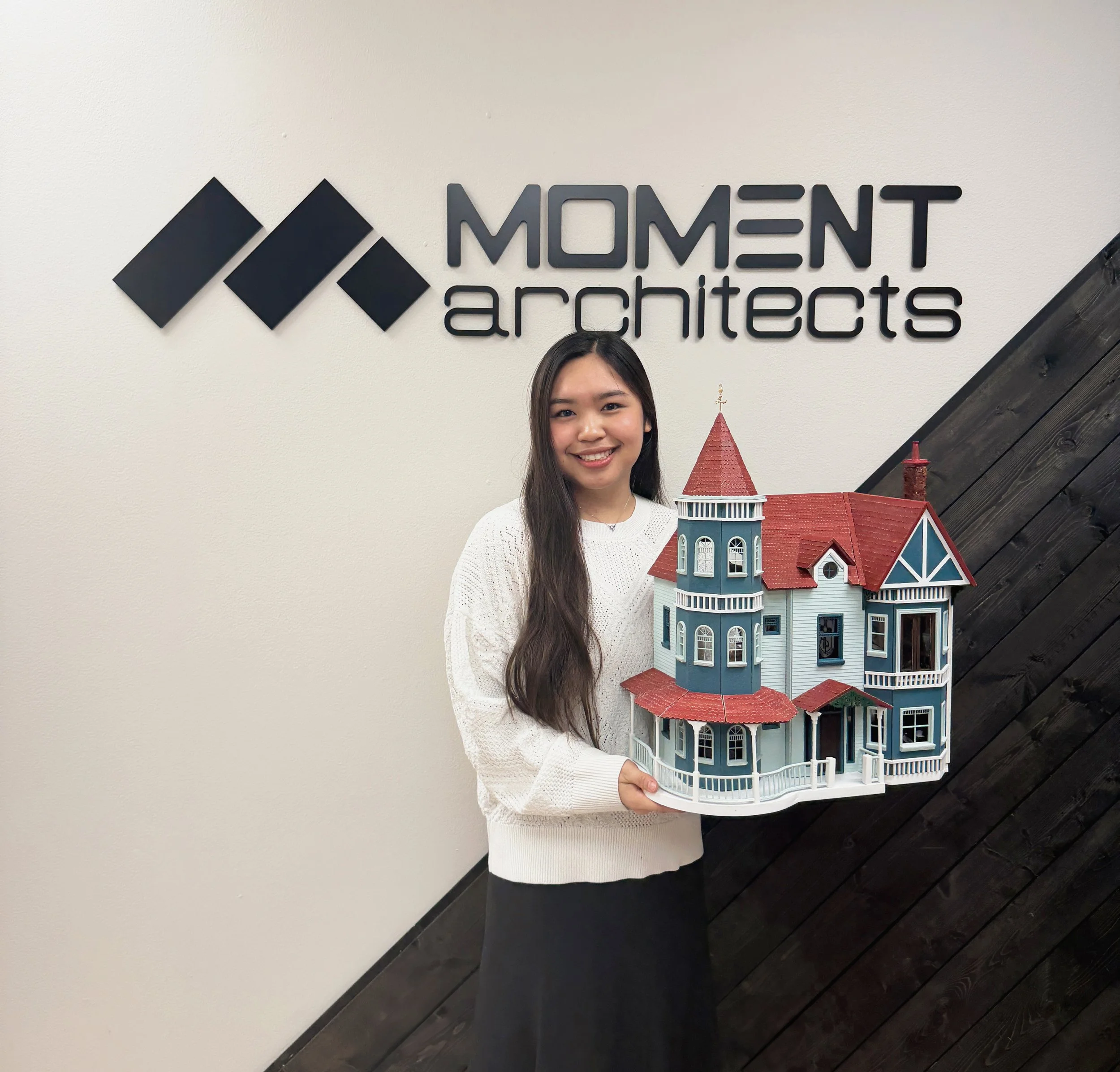
On April 11, this one-of-a-kind piece will be auctioned at the Silver Star Jubilee Gala benefiting St. Anthony of Padua Catholic School. Proceeds support the school and its students, extending the impact of this student-led project beyond our studio walls.
Although miniature in scale, the dollhouse reflects real architectural thinking. Students collaborated, solved problems, explored materials, and moved ideas from concept to completion, stepping into the studio eager to learn, approaching the work with humility, and leaving inspired by what’s possible.
What made this workshop especially meaningful is that it was entirely student-driven. Emerging designers gained exposure to professional workflows and expectations you simply don’t experience in a classroom alone.
one student shared:
“Thank you again for the opportunity to be part of this workshop. I am so grateful for the chance to work with your team and gain experience outside of a school setting. This workshop has been both enjoyable and incredibly valuable.
As someone who was not very familiar with the residential side of architecture, I really appreciated the opportunity to explore this area through hands-on experience. I gained new insights into the design process, collaboration, and real-world workflows that I will carry with me moving forward.
I hope this workshop continues in the future, as it is such a meaningful experience for students.”
in conclusion
After seeing the level of engagement and ownership, we knew this was worth continuing. The Dollhouse Workshop will remain a cornerstone of Student learning, combining selective mentorship, hands-on making, and meaningful community contribution.
Learn more and apply here: https://www.moment-architects.com/mstudio-apply-now
We look forward to continuing to invest in the next generation of designers for years to come.

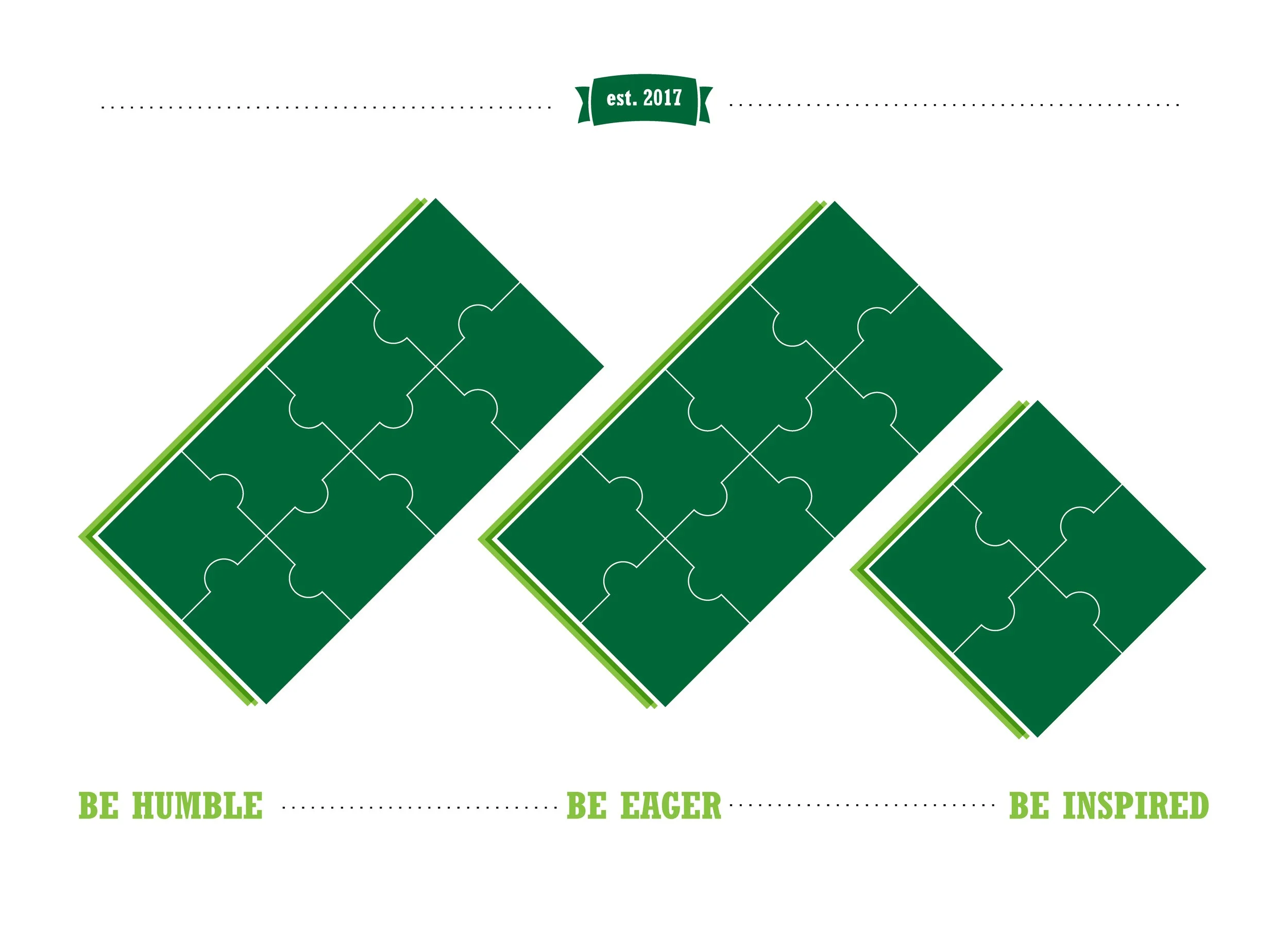
be HUMBLE
Our First Core Value
We started Moment Architects because we recognized two things: first, architecture is a service industry; and second, most architects treat their clients as if the client is the one doing the serving.
This is a problem in our industry, and it is for this reason that our first core value is “be humble”.
What does it mean to be humble?
To understand what something means it is often helpful to first understand what it does not mean. Being humble is not the same as belittling oneself. Humility is not found in thinking yourself inadequate, worthless, or insignificant.
C.S. Lewis says that “Humility is not thinking less of yourself, it is thinking of yourself less.”
Humility is Truth
Saint Thomas Aquinas said, “Humility is Truth.” It is living out the deepest truth of things. It is easy to misunderstand humility as an unwillingness to acknowledge our own unique talents. As if a man who excels at tennis can only be humble if he never admits how good he is at tennis. In the light of the statement by St. Thomas, though, this is not humility at all. If a man is truly good at tennis, it would be truthful to admit he is good. Not to boast about it, but to admit it.
True humility, though, goes to the deepest truth. The deepest truth is that the man is good at tennis because God gave him a unique gift, or combination of gifts, that allowed him to excel. Therefore, the humblest thing the man could say about his talent is to admit how good he is, and give the praise to God for his unique ability.
Humility is a virtue
Humility is a virtue, and every virtue has an opposite vice. The vice opposite the virtue of humility is Pride. We can understand a little more about humility, then, by learning more about pride.
What is pride?
Pride is the sin of idolizing oneself; of behaving and believing that I am above reproach, that no one, including God, has any business telling me what to do. Pride, in its emptiest form, is not necessarily a denial of God, but a denial of God’s authority. A denial of God’s right to tell us what we should and should not do.
Humility, being the opposite of pride, can therefore also be described as an attitude of openness to being corrected. Humility is the willingness to admit that I don’t know everything, and even those things I think I know, I could be wrong about.
Less of Me…
Further than that, though, to embody a spirit of humility is to treat every person we encounter as if we are his or her servants. Going back to the quote from C.S. Lewis, if humility is thinking of yourself less, we can deduce that if we’re thinking of ourselves less, we are then thinking of others more. The more we think of others, the easier it is to anticipate their needs, and to provide what they need before they even ask for it. This is the level of humble service we should strive for, to anticipate the needs of others.
What does humility look like in our workplace?
For us, being humble in the workplace starts with recognizing that our unique talents are gifts from God, given to be used for the good of others. Therefore, when we do anything for work, we should ask ourselves, “Who am I serving, myself, or my client?”
The homes we design will one day return to the dust from which they came, because like it or not, the physical products of our work, what is seen, is transitory, and no amount of kick-out flashing or continuous insulation will ever change that. But the choices we make, the way we love and serve, what is unseen, will have eternal significance.
Saint Paul said, “Whatever you do, do from the heart, as for the Lord and not for others” Colossians 3:23, and I believe this to mean that when we serve others, we are in fact serving our Lord.
Put Our Service to the test
So we invite our clients to put our service to the test, and at the end of the age, when the newest design trends are out of fashion, and the latest advancements in building science are proven to cause more problems than they solve, I hope the final remnant of our work will be the sound of the words we all long to hear, “Well done, my good and faithful servant.” Matthew 25:21

be EAGER
first things First
The second core value, Be Eager, must come after the first. We must be humble before we are eager. We must recognize our strengths before we can pursue them.
what does it mean to be eager?
So, what does it mean to be “eager”, and why is it one of our core values? A few synonyms for the word eager include Enthusiastic, Ready, Willing, and Fervent.
Going back to our first core value, be Humble, we deduced that being humble means recognizing the things we’re good at and recognizing that God has given us the ability to be good at them for a reason. But the gifts God gives us are raw, and they’re optional. Each one of us is probably endowed with unique talents we haven’t even discovered yet, and those we have discovered probably haven’t been developed to their full potential yet.
This is where the value of being Eager comes in. Once we’ve discovered our unique gifts, we must cultivate a spirit of eagerness to develop, train, practice, and pursue those gifts with all that we have. We should be eager to become the best we can be. Not for the sake of personal fame, fortune, or vainglory, but for the simple fact that putting in the effort to improve ourselves is the best way to say ‘thank you’ to God for the gifts he’s given us.
I WAS HUNGRY
Starting with servant’s spirit, we should be anticipating the needs of others. But is it enough to anticipate their needs? Should it stop there? Does it help if I know what you need, but I don’t do anything about it?
Jesus said, “I was hungry, and you gave me food, I was thirsty and you gave me drink, a stranger and you welcomed me, naked and you clothed me, ill and you cared for me, in prison, and you visited me.” (Matthew 25:35-36) Notice what Jesus did not say. He did not say, “I was hungry, and you knew about it.” Recognizing a need is only the first 1%, doing something about it is the other 99. Just as “faith of itself, if it does not have works, is dead.” (James 2: 17), so too is a humble recognition of my strengths and weaknesses, without an eager desire to do anything with them, useless.
the eager architect
At Moment Architects, we are good at what we do. But being good is not enough. We refuse to settle, and we refuse to believe we will ever be as good as we can be. A common theme in our office is that there’s always room for improvement, and a common sentiment is that we’re eager to improve. We view a weakness as an opportunity, an obstacle as an invitation, and an inconvenience as an adventure.

be INSPIRED
We are inspired
Our third Core Value, Be Inspired, is not something we do, it is something that is done to us; but only if we are prepared to receive it. Our first two Core Values, Be Humble, and Be Eager, are what prepare us to receive the third. Being both humble and eager is the gift of a tenacious desire to improve in the areas we humbly recognize can be improved.
Inspiration comes from without
The word “inspired” is most often used in the sense of being motivated, encouraged, or moved by something outside of ourselves. However, the word’s origins give us a slightly different perspective. The word can be traced back to the Latin “inspirare”, which means “to breathe or blow into”. In the biblical sense, we know that when God created Adam in the Garden of Eden, He “formed man out of the dust of the ground and blew into his nostrils the breath of life, and the man became a living being.” (Genesis 2:7) The word for “breath” in Latin is spiritus, which is where we get the word “spirit” from, and so we see in Genesis that God gave Adam life by inspiring him with the Holy Spirit, the Breath of God, and in that act of receiving the Holy Spirit Adam went from being dust to being an eternal creature made in the image and likeness of God.
Being mindful of our sources of inspiration
As architects, our inspiration can come from many sources. We may be inspired by a space we visit, a trip we take, a piece of art, a piece of cake, or a song by the alternative rock band Cake. Listen to “The Distance” by Cake and tell me you’re not inspired.
Wherever our inspiration comes from, it is clear that it comes from somewhere outside of ourselves. It is important, then, to be aware of our sources of inspiration, because inspiration can be both positive and negative.
The reciprocity of our core values
We started with a humble recognition of our unique strengths, followed by an eager pursuit of those strengths as a way of thanking God for giving them to us. But one of the great things about God is that He doesn’t need anything from us, so everything we give to Him, including our eager spirit, He turns around and gives back to us in the form of inspiration. Therefore, our core values are reciprocal in nature, we give back to God that which He has given to us, and He, in turn, gives it back in a way that moves us to accomplish more than we could ever have accomplished on our own.


Quisque iaculis facilisis lacinia. Mauris euismod pellentesque tellus sit amet mollis.