
Architecture Starts Before Building Begins
Why early collaboration, clear priorities, and planning drive successful projects.
Blog /Architecture Starts Before Building Begins
By: Moe Moe Giardina, Principal Architect
When people ask me when they should bring an architect into a commercial project, my answer is always the same: as early as possible.
One of the biggest advantages of involving an architect early is that we can help evaluate opportunities before significant decisions are made. Sometimes a client is considering a piece of land but isn't completely sure what can be built there. In those situations, we can conduct feasibility studies to determine whether the site is appropriate for their intended development and identify potential challenges before they become costly surprises.
Other times, clients come to us with a clear vision already in mind. Even then, early collaboration is essential to ensure the site, building program, and project goals align before significant time and money are invested.
Building a Strong Foundation
Every successful commercial project starts with gathering the right information.
One of the first conversations we have is about budget. While architects are not cost estimators, we understand construction costs well enough to help establish realistic expectations and guide early decisions. I also strongly encourage clients to involve a general contractor as early as possible. When design and pricing happen simultaneously, projects benefit from real-time cost feedback and fewer surprises later.
Site information is equally important. Surveys, title reports, geotechnical studies, and permitting requirements help the team make informed decisions and avoid costly redesigns.
Discovering What Matters Most
Not every client walks into our office with a detailed project vision, and that's perfectly okay.
In my experience, every client already has goals, they just may not have fully articulated them yet. Through discovery meetings and visioning sessions, we work together to uncover what matters most. Sometimes the priority is financial performance. Other times it's community impact, organizational growth, employee experience, or creating a legacy.
We also help clients navigate competing priorities, balancing aspirations with practical realities so thoughtful decisions can be made throughout the design process.
Our role is not simply to design buildings, but to help clients create a clear vision and guide them toward achieving it.
Turning Vision into Architecture
One of the most rewarding aspects of architecture is translating an organization's mission and identity into a physical space.
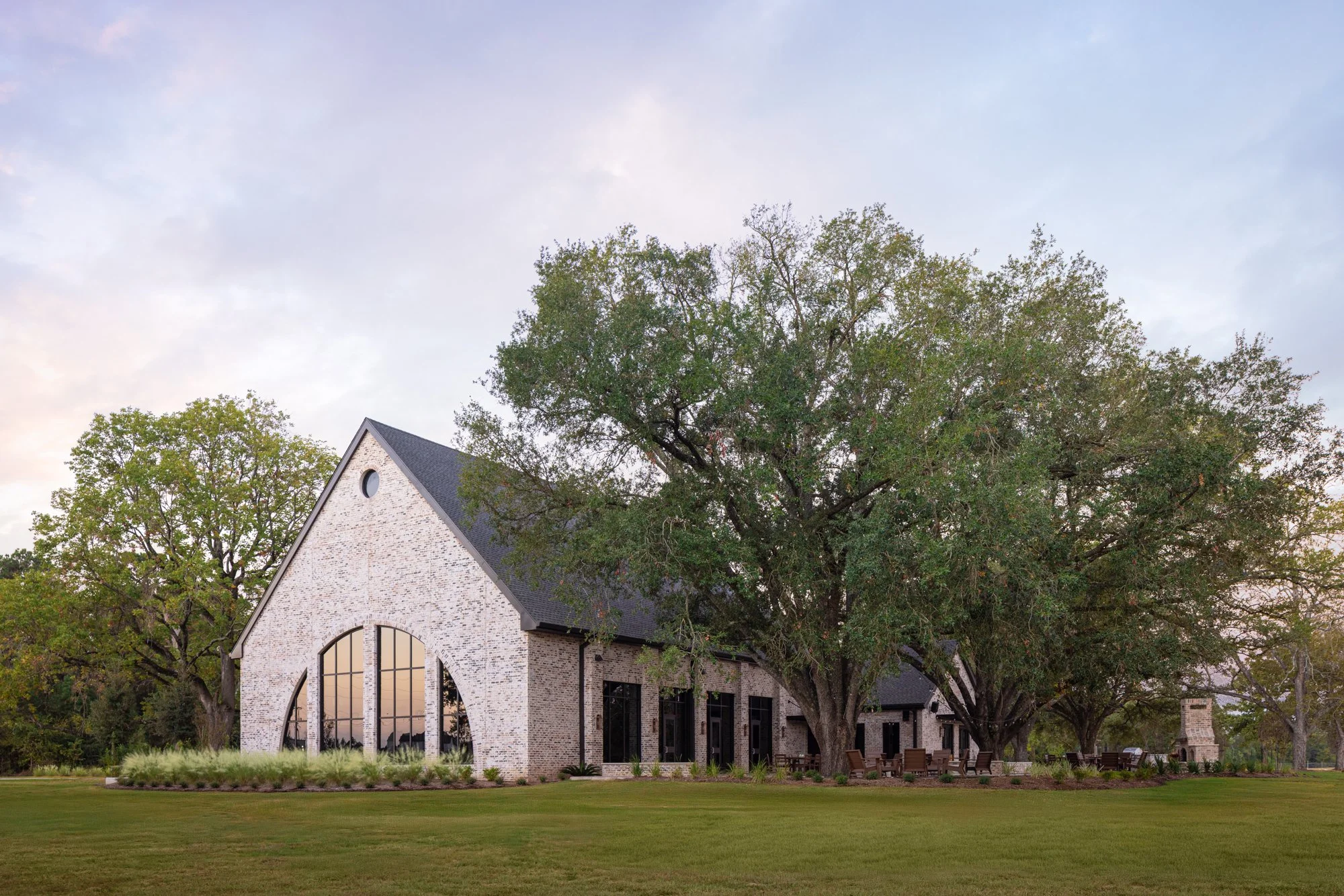
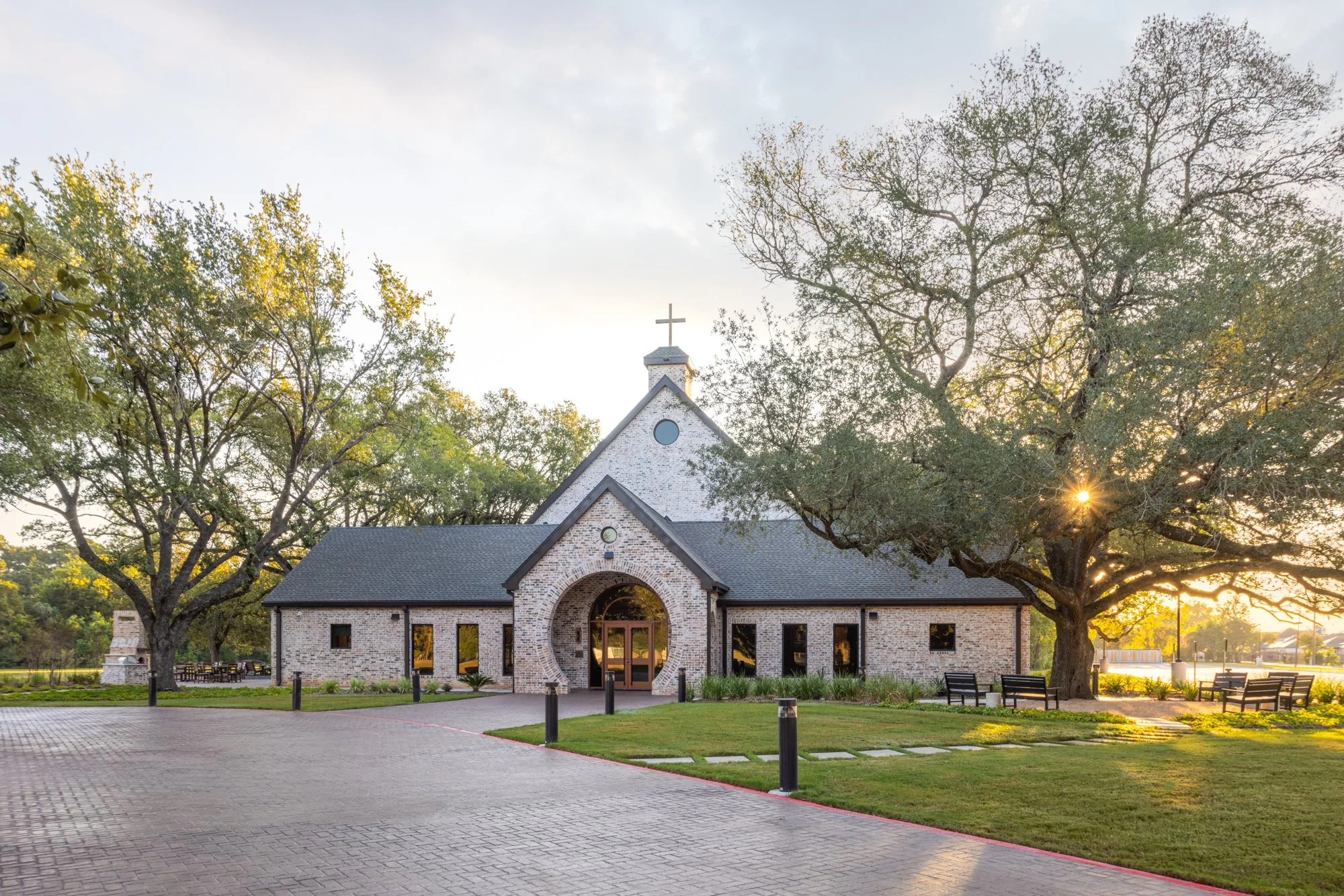
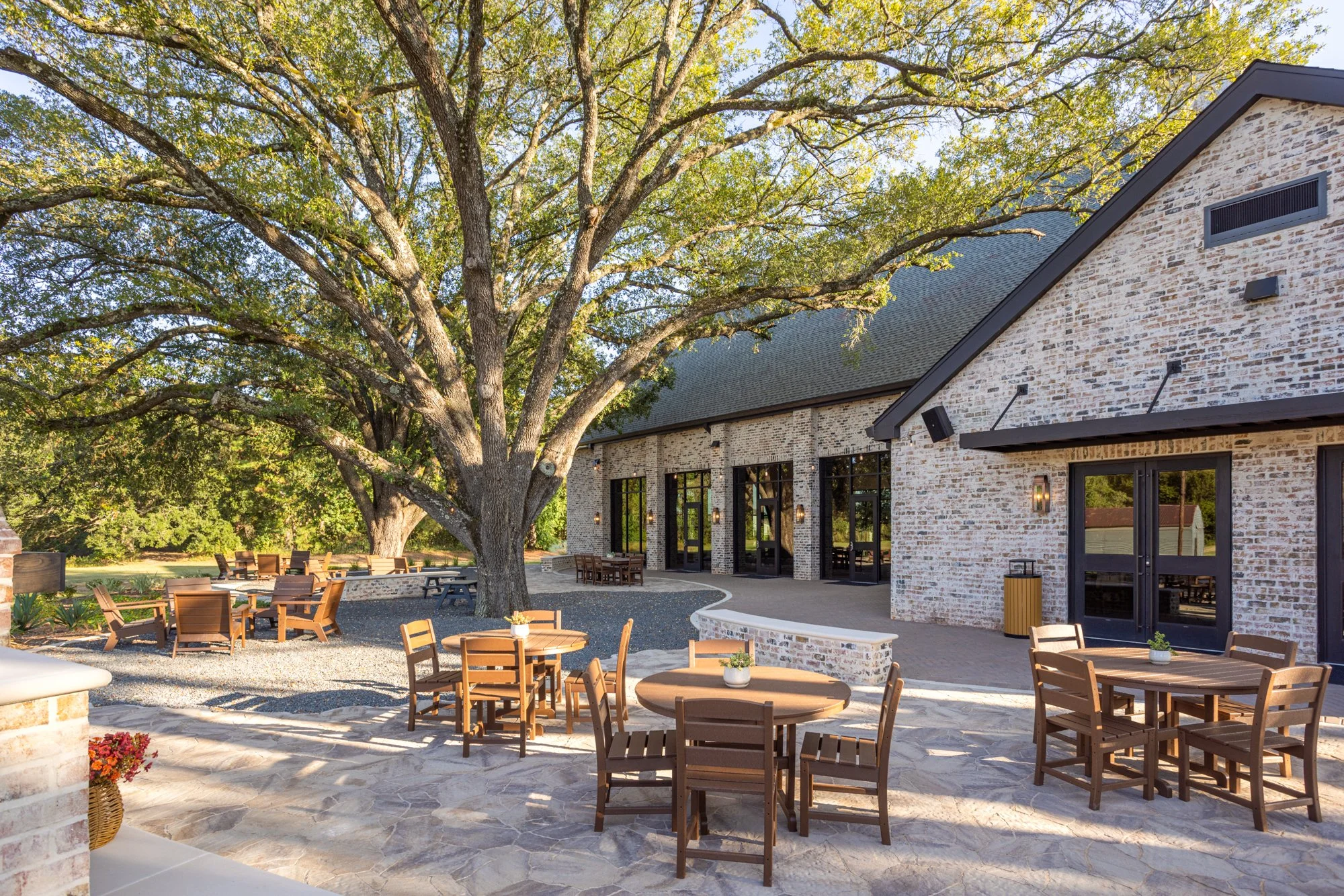
TheMission Church project serves as a great example. The congregation wanted people to feel an immediate sense of belonging. Rather than clearing the site's mature trees, we designed around them to preserve the character of the neighborhood and create a sense of rootedness from day one. The building form and gathering spaces were intentionally arranged to encourage fellowship and connection, reinforcing the church's mission through the built environment.
Another project involved developing a visioning package for a private Catholic school. The leadership team wanted Christ to remain at the center of both education and faith formation. We incorporated that mission throughout the design by giving the chapel architectural prominence, integrating cross motifs into the building forms, and creating a master plan that reflected the school's spiritual identity. Every decision translated the school's values into a campus that supports both learning and faith.
These projects demonstrate how architecture can go beyond function to become a physical expression of an organization's values and purpose.
Designing Experiences
Architecture profoundly influences how people experience a space. Materials, colors, lighting, textures, and spatial organization shape how people feel when they enter a building. As architects, we have a responsibility to shape those experiences intentionally, creating environments that support positive human interaction and help people thrive.
The most successful environments are those that respond to the people they serve. Every project type has unique goals, requiring a design approach tailored to the experiences it seeks to create, whether fostering productivity in a workplace, inspiring growth in a school, promoting healing in a healthcare facility, or encouraging connection in a community space. Design decisions, from spatial organization to material and color selection, are guided by these desired outcomes.
Color plays a particularly powerful role in shaping perception and behavior. A corporate office may rely on a restrained palette that supports focus and professionalism, while a school may incorporate more vibrant, uplifting colors that encourage creativity and engagement and support learning. By thoughtfully aligning design elements with each project's purpose, architects can create environments that not only function effectively but also enrich the daily experiences of the people who use them.
Balancing Beauty, function, and constructability
One of the greatest challenges, and rewards, of architecture is balancing beauty with functionality and technical execution.
Architecture exists at the intersection of art and science. Architects must understand building systems and constructability to transform creative ideas into buildings that are visually compelling, efficient, safe, and durable. Every design decision, from building systems and materials to construction details and user experience, contributes to the success of a project.
The most successful commercial projects achieve a seamless integration of design excellence and technical execution, creating memorable spaces that support organizational goals while enhancing the daily experience of everyone who uses them. When beauty, functionality, and constructability work together, architecture delivers lasting value for clients, occupants, and communities.
Starting with the Right Questions
Every commercial project is unique, but the most successful ones share a common characteristic: they begin with thoughtful planning and clear communication.
Bringing an architect into the conversation early allows clients to explore possibilities, establish priorities, and make informed decisions before significant resources are committed. Whether the goal is to create a workplace, a church, a school, or another type of commercial development, the strongest projects are built on a foundation of collaboration, vision, and intentional design.
When that foundation is in place, architecture becomes more than a building, it becomes a tool for supporting people, strengthening communities, bringing meaningful ideas to life, and having a enduring, positive impact on the built environment.